Introduction
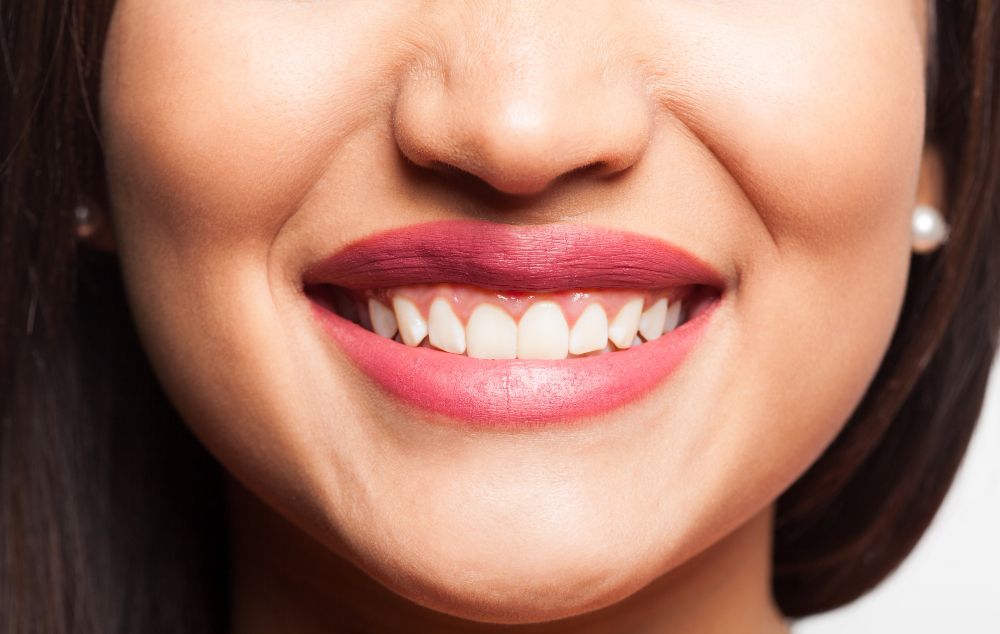
Healthy teeth and gums are key to a bright smile and overall well-being. Good oral health means your teeth are clean, strong, and free from pain. Your gums should be pink and firm, not swollen or bleeding. In fact, taking care of your mouth helps prevent many health problems. According to the World Health Organization (WHO), poor oral health can affect your heart, lungs, and even your quality of life. Therefore, learning how to keep teeth and gums healthy is important for everyone.
Common Symptoms of Poor Oral Health
Sometimes, your mouth gives warning signs when something is wrong. For example, you may notice:
If you notice any of these symptoms, it is wise to take action quickly. Early care can prevent bigger problems later.
Causes and Risk Factors
Many things can harm your teeth and gums. However, some causes are more common than others:
Because these risks add up over time, it is important to build good habits early.
Diagnosis and Dental Checkups
Regular dental checkups help catch problems before they get worse. During a visit, your dentist will:
Usually, seeing your dentist every six months is a good idea. However, some people may need more frequent visits. Your dentist can guide you based on your needs.
Effective Daily Oral Hygiene Practices
Good daily habits are the foundation of healthy teeth and gums. For best results, try these oral hygiene tips:
Because these steps are simple, they fit easily into your daily routine. Over time, they help prevent gum disease and tooth decay.
Diet and Lifestyle Tips for Healthy Teeth and Gums
What you eat and drink affects your oral health. For example, sugary snacks can lead to cavities. To protect your teeth and gums, consider these tips:
In addition, a balanced diet supports strong teeth and healthy gums.
Prevention Strategies
Preventing dental problems is easier than treating them. Therefore, follow these prevention strategies:
Because prevention saves time and money, it is worth the effort.
When to See a Dentist
Sometimes, home care is not enough. You should see a dentist if you have:
Early treatment can prevent serious problems. Do not wait if you notice these signs.
Conclusion & Call-to-Action
In summary, healthy teeth and gums are possible with simple daily habits and regular dental care. Because your oral health affects your whole body, it deserves attention. For the best results, follow these oral hygiene tips and prevention strategies. If you have concerns or symptoms, consult a dentist for personalized advice on maintaining healthy teeth and gums.