What Are Dental Crowns and Bridges?
Dental crowns and bridges are common solutions in modern dentistry. Crowns are caps that cover damaged or weak teeth. Bridges fill gaps where teeth are missing. Both help restore function and improve how your smile looks. Dentists use crowns and bridges to protect, strengthen, and replace teeth. These treatments are safe and widely used around the world.
Common Reasons for Needing Crowns and Bridges
Many people need crowns and bridges for different reasons. For example, you might need a crown if you have:
On the other hand, bridges are often used when you have one or more missing teeth. Missing teeth can make chewing hard and affect your speech. In addition, gaps can cause other teeth to shift. Crowns and bridges help solve these problems and restore your oral health.
The Procedure: How Crowns and Bridges Are Placed
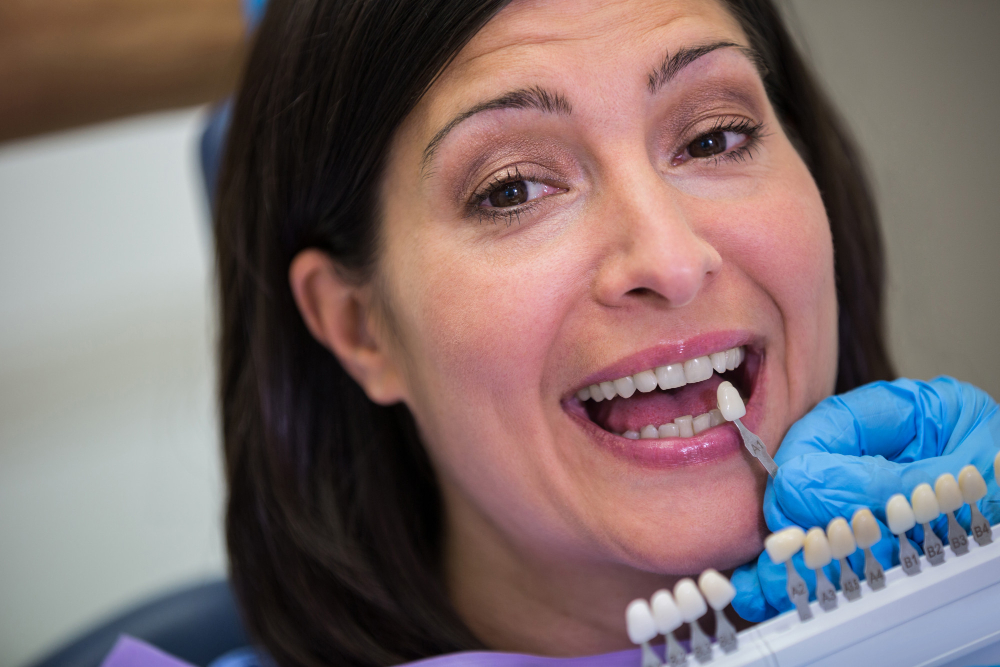
The process for getting crowns and bridges is simple. First, your dentist will examine your mouth. Next, they will prepare the tooth or teeth. For crowns, the dentist shapes the tooth so the crown fits well. For bridges, the teeth on either side of the gap are prepared. Then, your dentist takes an impression of your teeth. This helps create a custom crown or bridge that fits perfectly. While you wait for the final piece, you may get a temporary crown or bridge. Once ready, the dentist cements the crown or bridge in place. The whole process usually takes two visits.
Benefits: Restoring Function and Aesthetics
Crowns and bridges offer many benefits. Not only do they restore your ability to chew and speak, but they also improve your smile. Here are some key advantages:
Moreover, crowns and bridges are made to match your natural teeth. This means they blend in well and look natural. According to the American Dental Association, these treatments are safe and effective for most people.
Care and Maintenance Tips
Proper care helps crowns and bridges last longer. Here are some simple tips:
With good care, crowns and bridges can last many years. In fact, some people keep them for over a decade.
Potential Risks and How to Prevent Them
While crowns and bridges are safe, there are some risks. For instance, you might feel sensitivity after the procedure. Sometimes, the crown or bridge may become loose. Rarely, decay can form under a crown or bridge. However, you can prevent most problems by:
If you care for your dental work, you can avoid most issues. Always follow your dentist’s advice for the best results.
Frequently Asked Questions
For those looking for dental crowns and bridges in your city, many local dentists offer these services. Always choose a qualified professional for the best care.
In summary, crowns and bridges are excellent ways to restore both function and aesthetics to your smile. Consult a qualified dentist to find out if crowns or bridges are right for you.