What Are Dental Braces?
Dental braces are special devices that help straighten teeth. They also fix bite problems and improve your smile. Many people, including adults and teens, choose dental braces for better oral health. Braces use gentle pressure to move teeth into the right position over time. Because of this, they are a popular choice for both children and adults.
Common Reasons for Getting Dental Braces
People get dental braces for many reasons. Some of the most common reasons include:
Crooked or crowded teeth
Gaps between teeth
Overbite or underbite (when teeth do not line up)
Jaw pain or discomfort from misaligned teeth
Improving overall oral health
For example, straight teeth are easier to clean. This can lower the risk of cavities and gum disease. In addition, braces can boost confidence by improving your smile.
Types of Dental Braces
There are several types of dental braces available today. Each type has its own benefits. Your dentist or orthodontist can help you choose the best option for your needs.
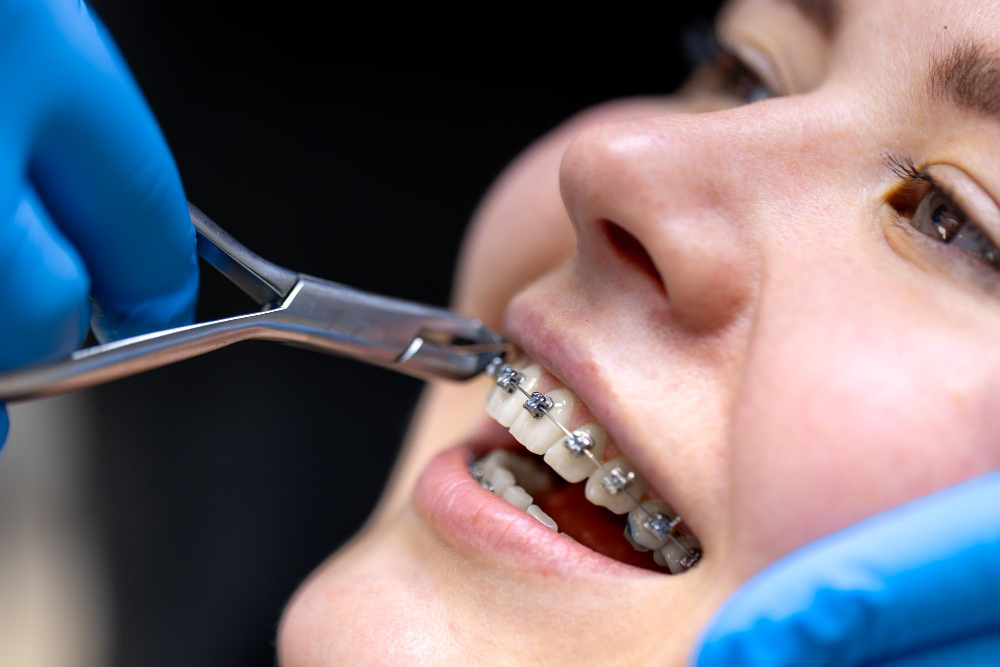
Metal Braces: These are the most common type. They use metal brackets and wires. Metal braces are strong and work well for most cases.
Ceramic Braces: These braces use clear or tooth-colored brackets. They blend in with your teeth, so they are less noticeable.
Lingual Braces: These braces are placed behind the teeth. Because of this, they are hidden from view. However, they may take longer to get used to.
Clear Aligners: Brands like Invisalign offer clear, removable trays. Clear aligners are popular for adults who want a discreet option. They are easy to remove for eating and cleaning.
Each type of dental braces has pros and cons. Therefore, it is important to discuss your options with a dental professional.
The Process of Getting Dental Braces
Getting dental braces involves several steps. Here is what you can expect:
Consultation: First, you meet with a dentist or orthodontist. They examine your teeth and may take X-rays or photos.
Treatment Plan: Next, your dental team creates a plan just for you. They explain which type of braces is best and how long treatment may take.
Fitting: Then, the braces or aligners are placed on your teeth. This step may take one to two hours.
Adjustments: After that, you visit the dentist every few weeks. They adjust the braces to keep your teeth moving in the right direction.
Removal: Once your teeth are straight, the braces are removed. You may need to wear a retainer to keep your teeth in place.
Throughout the process, your dental team will guide you and answer your questions.
Benefits of Dental Braces
Dental braces offer many benefits. Some of the main advantages include:
Straighter teeth and a better smile
Improved bite and jaw alignment
Easier cleaning and better oral hygiene
Lower risk of tooth decay and gum disease
Boosted confidence and self-esteem
According to the American Association of Orthodontists, straight teeth can help prevent dental problems. In addition, braces can improve speech and chewing.
Tips for Caring for Dental Braces
Proper care is important when you have dental braces. Here are some helpful tips:
Brush your teeth after every meal
Use a soft toothbrush and fluoride toothpaste
Floss daily using special flossers or threaders
Avoid sticky or hard foods that can damage braces
Wear a mouthguard if you play sports
Visit your dentist for regular check-ups
With good care, you can keep your teeth and braces clean and healthy.
Potential Side Effects and How to Manage Them
While dental braces are safe, some people may notice side effects. Common issues include:
Soreness or discomfort after adjustments
Mouth sores or irritation from brackets and wires
Difficulty eating certain foods
Minor speech changes at first
However, these problems usually go away as you get used to braces. To manage discomfort, you can:
Use orthodontic wax to cover sharp edges
Rinse your mouth with warm salt water
Take over-the-counter pain relievers if needed
If you have severe pain or broken braces, contact your dentist right away.
Frequently Asked Questions About Dental Braces
Can adults get dental braces? Yes, dental braces for adults are common. Many adults choose braces for a healthier smile.
How long do I need to wear braces? Treatment time varies. Most people wear braces for 1 to 3 years.
Are braces painful? You may feel mild discomfort after adjustments. However, this usually fades in a few days.
Can I eat normally with braces? You should avoid hard, sticky, or chewy foods. Soft foods are easier to eat with braces.
How do I clean my braces? Brush and floss carefully every day. Your dentist can show you the best techniques.
Conclusion
Dental braces can help you achieve a healthy, beautiful smile. With many types of dental braces available, there is an option for everyone. If you are thinking about braces, consult a qualified dentist or orthodontist for personalized advice on dental braces.