What Is Dental Trauma?
Dental trauma means an injury to your teeth, gums, or mouth. Often, it happens suddenly. For example, you might fall or get hit in the face. Sometimes, a dental emergency can lead to a knocked out tooth or a fractured tooth. Both need quick action. Acting fast can help save your tooth and prevent more damage.
Common Causes of Dental Emergencies
Many things can cause dental trauma. Some are accidents, while others happen during sports or daily life. Knowing these causes can help you stay alert. For instance, you might avoid some risks if you are aware of them.
Because accidents can happen anytime, it is important to know what to do if a tooth is knocked out or fractured.
Symptoms of a Knocked Out or Fractured Tooth
Sometimes, dental trauma is easy to spot. Other times, the signs are less clear. However, knowing the symptoms helps you act quickly. For example, you may notice:
If you see any of these signs, seek emergency dental care right away.
Immediate Steps to Take After Dental Trauma
Quick action can make a big difference. If you or someone else has a knocked out or fractured tooth, follow these steps:
For a Knocked Out Tooth
For a Fractured Tooth
Because time matters, always seek emergency dental care as soon as possible.
How Dentists Diagnose and Treat Dental Injuries
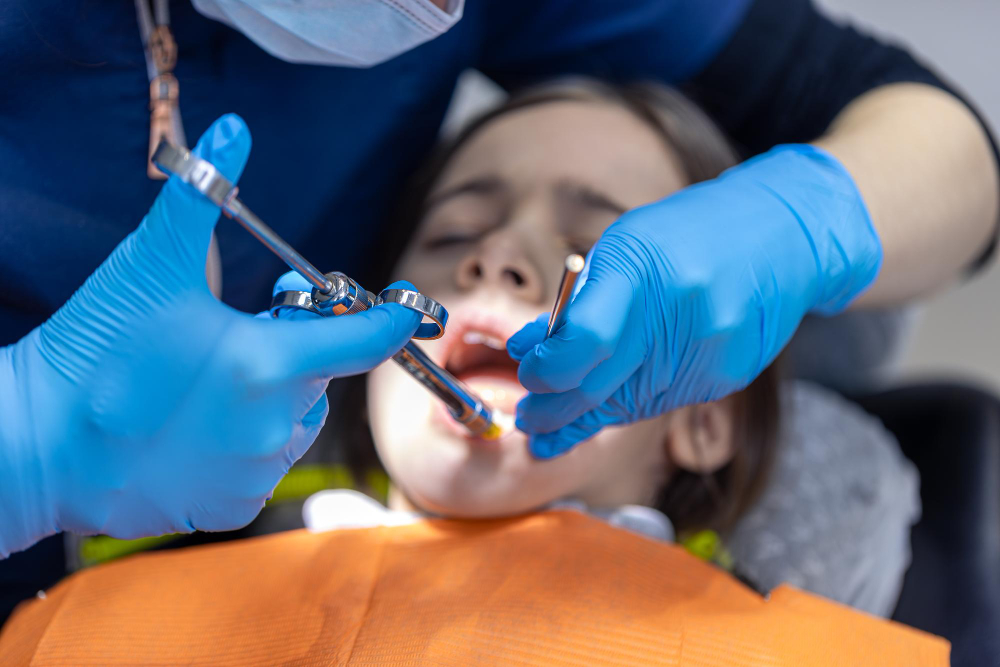
Once you reach the dentist, they will check your mouth and teeth. Usually, they ask about how the injury happened. Next, they may take X-rays to see the damage. After that, treatment depends on the type of injury.
Because each case is different, your dentist will choose the best treatment for you.
Prevention Tips for Dental Emergencies
Although accidents can happen, you can lower your risk. For example, try these tips:
With these steps, you can help protect your teeth from trauma.
When to See a Dentist
If you have dental trauma, do not wait. Even if pain is mild, see a dentist right away. Early care can save your tooth and prevent infection. For example, if you have a knocked out or fractured tooth, emergency dental care is needed. If you are unsure, call your dentist for advice.
If you experience dental trauma, consult a dentist immediately for personalized care.