What Are Oral Ulcers?
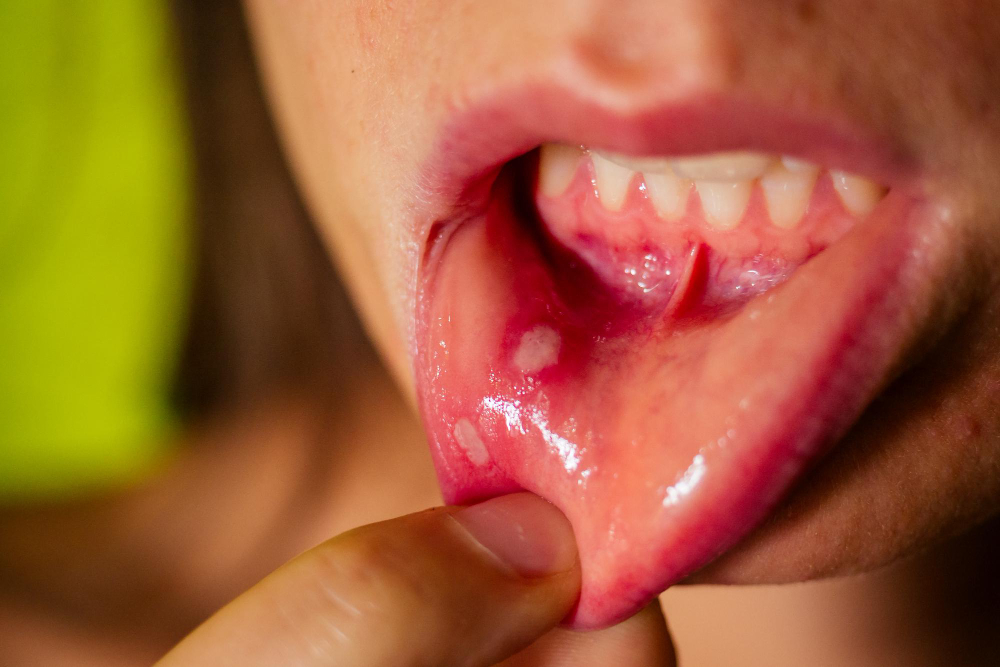
Oral ulcers, also called mouth sores or canker sores, are small, painful breaks in the lining of your mouth. These sores are very common. In fact, many people will have at least one oral ulcer in their lifetime. Oral ulcers can appear on the inside of your cheeks, lips, tongue, or gums. While most heal on their own, some may need oral ulcer treatment. Because these sores can be uncomfortable, it helps to know what causes them and how to manage them.
Common Symptoms of Oral Ulcers
Oral ulcers often cause discomfort, especially when eating or drinking. However, symptoms can vary. For example, some people may only notice mild pain, while others feel a burning sensation. Here are common signs to watch for:
Usually, these symptoms last for one to two weeks. But if they last longer, you should seek advice.
Causes and Risk Factors
There are many possible oral sore causes. Sometimes, the exact reason is not clear. However, several factors can increase your risk:
In rare cases, oral ulcers may signal a more serious health problem. Therefore, it is important to monitor your symptoms.
How Oral Ulcers Are Diagnosed
Most oral ulcers are easy to spot during a dental exam. Usually, your dentist or doctor will look at the sore and ask about your symptoms. Sometimes, they may ask about your diet, stress levels, or recent injuries. In rare cases, if ulcers keep coming back or last longer than three weeks, your doctor may:
Early diagnosis helps rule out serious conditions and guides the best oral ulcer remedies.
Effective Treatments for Oral Ulcers
Most mouth ulcers heal on their own within one to two weeks. However, some treatments can ease pain and speed up healing. For example, you can try:
In some cases, your dentist may prescribe stronger medicines. These include steroid mouth rinses or special pastes. If you need oral ulcer treatment in your area, ask your dentist about the best options for you. According to the World Health Organization (WHO), good oral hygiene also helps prevent infections and speeds up recovery.
Prevention Tips and Lifestyle Guidance
Although you cannot always prevent mouth ulcers, some habits can lower your risk. For instance, you can:
By following these tips, you may reduce the number and severity of oral ulcers.
When to See a Dentist or Doctor
Most oral ulcers are harmless and heal quickly. However, you should see a dentist or doctor if:
Early medical advice can help rule out serious problems and ensure you get the right oral ulcer remedies.
If you have persistent oral ulcers, consult a dental specialist for personalized care. Early treatment can help you feel better and protect your oral health.