What Are Dental Veneers?
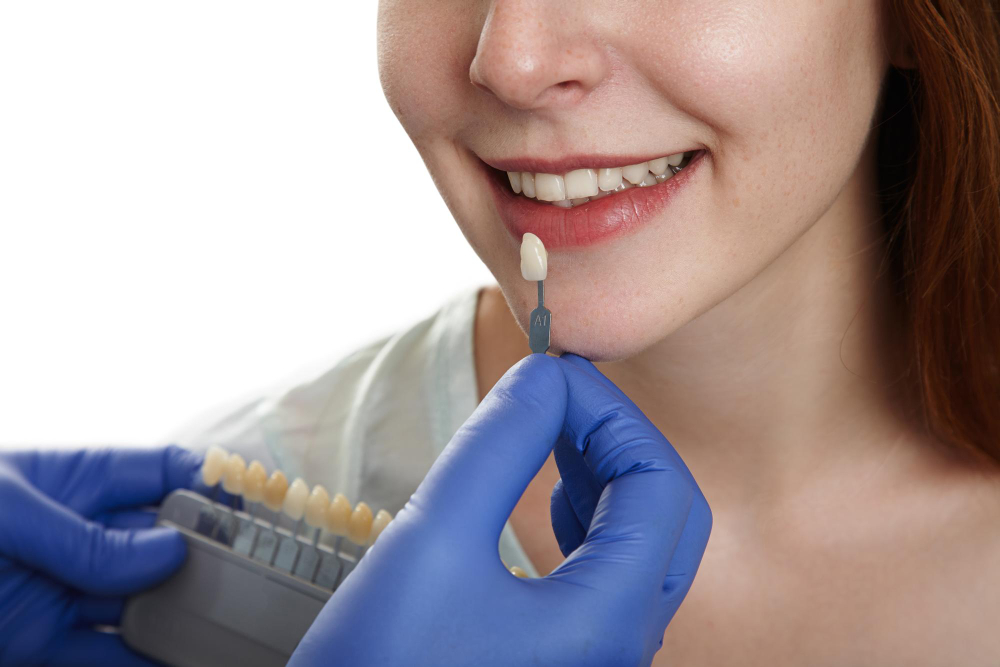
Dental veneers are thin covers placed on the front of teeth. They help improve the look of your smile. Many people choose dental veneers to fix chipped, stained, or uneven teeth. Porcelain veneers are a popular type because they look natural and last long. Dentists bond these covers to your teeth, making them strong and secure. Because dental veneers are custom-made, they fit your teeth perfectly. In most cases, you can get veneers in just a few visits.
Benefits of Dental Veneers
Dental veneers offer many advantages. For example, they can quickly change the look of your teeth. Here are some key benefits:
Because veneers are strong, you can eat most foods as usual. However, you should still avoid biting hard objects.
The Dental Veneers Procedure
The dental veneers procedure is simple and safe. First, your dentist will check your teeth and discuss your goals. Next, they may remove a thin layer of enamel from your teeth. This step helps the veneers fit well. Then, your dentist will take a mold of your teeth. This mold is sent to a lab to make your custom veneers.
Once your veneers are ready, you will return for placement. The dentist will clean your teeth and bond the veneers using a special glue. After that, they will check your bite and make small changes if needed. Most people feel little to no pain during the process. Usually, the whole dental veneers procedure takes two or three visits.
Risks and Potential Side Effects
While dental veneers are safe, there are some risks. For instance, your teeth may feel sensitive after the procedure. This is because a small amount of enamel is removed. In rare cases, veneers can chip or fall off. However, this is uncommon if you follow your dentist’s advice. Some people may not be good candidates for veneers, such as those with weak teeth or gum disease.
According to the American Dental Association, most people have no serious problems with veneers. Still, it is important to talk to your dentist about all risks before starting.
Aftercare and Maintenance Tips
Proper dental veneers aftercare helps your new smile last longer. For best results, follow these tips:
With good care, porcelain veneers can stay bright and strong for many years. However, you should avoid smoking and limit drinks like coffee or red wine, as these can stain your teeth.
Frequently Asked Questions About Dental Veneers
Conclusion and Next Steps
Dental veneers can give you a brighter, more even smile. They are safe, effective, and long-lasting. However, you should always talk to a dentist before making a decision. Every smile is unique, so your dentist can help you choose the best option. Consult a qualified dentist to find out if dental veneers are right for you.